Many Abilene homeowners try to extend the life of their roofs through targeted repairs. While fixing isolated damage is often practical, repeated service calls can signal that the roofing system as a whole is nearing the end of its lifespan. Recognizing when ongoing repairs stop being cost-effective helps prevent escalating expenses, interior damage, and unexpected failures during severe weather. When problems persist across multiple areas, exploring options for a full roof replacement can provide a more reliable long-term solution.
The Repair Cycle That Signals System Failure
Older roofs rarely fail in one dramatic event. Instead, deterioration spreads gradually across shingles, flashing, and underlying materials. After one repair is completed, another leak may appear in a different location during the next storm. This pattern often indicates that the roof’s protective layers have weakened beyond localized fixes.
Common signs of a failing system include:
- New leaks appearing months after previous repairs
- Cracked or brittle shingles across multiple slopes
- Widespread granule loss in gutters
- Frequent patchwork visible from the ground
- Rising maintenance costs year after year
If these symptoms occur together, repairs may only delay an inevitable replacement.
Aging Materials Lose Their Protective Performance
West Texas weather accelerates roof aging through intense sun, hail, and strong winds. Over time, shingles lose flexibility and adhesive strength, making them more vulnerable to lifting and water intrusion. Sealants around penetrations also degrade, creating additional entry points for moisture.
Homeowners in older neighborhoods often experience “chasing leaks,” where fixing one area does not prevent failures elsewhere. Guidance on aging shingle behavior and common trouble spots can help explain why these roofs deteriorate unevenly.
Structural Concerns Beneath the Surface
Repeated leaks can damage decking, insulation, and framing long before issues become visible inside the home. Softened wood, mold growth, and weakened fasteners reduce the roof’s structural integrity. Even if surface repairs temporarily stop water entry, hidden deterioration may continue to spread.
Signs of deeper damage include:
- Sagging areas or uneven roof lines
- Persistent attic moisture or musty odors
- Interior ceiling stains that return after repair
- Higher energy bills from compromised insulation
When these issues appear, addressing only surface materials may not solve the underlying problem.
Comparing the True Cost of Repairs vs Replacement
Multiple repair visits can add up quickly, especially when emergency service is required during storms. At some point, the cumulative cost of patchwork approaches or exceeds the price of installing a new system designed to last decades.
A practical comparison should consider:
- Total repair spending over the past several years
- Expected lifespan remaining after each repair
- Risk of interior damage if failure occurs
- Energy efficiency improvements from new materials
- Potential impact on resale value
Resources such as the National Roofing Contractors Association emphasize that proactive replacement often reduces long-term ownership costs compared with reactive repairs.
Insurance and Resale Considerations
Insurance carriers may limit coverage for roofs near the end of their service life. Documented patterns of repeated repairs can also affect claims related to future damage. During a home sale, inspectors frequently flag aging roofs as negotiating points, which can delay transactions or reduce offers.
Replacing the roof before major failure demonstrates responsible maintenance and can improve buyer confidence.
When Replacement Becomes the Safer Choice
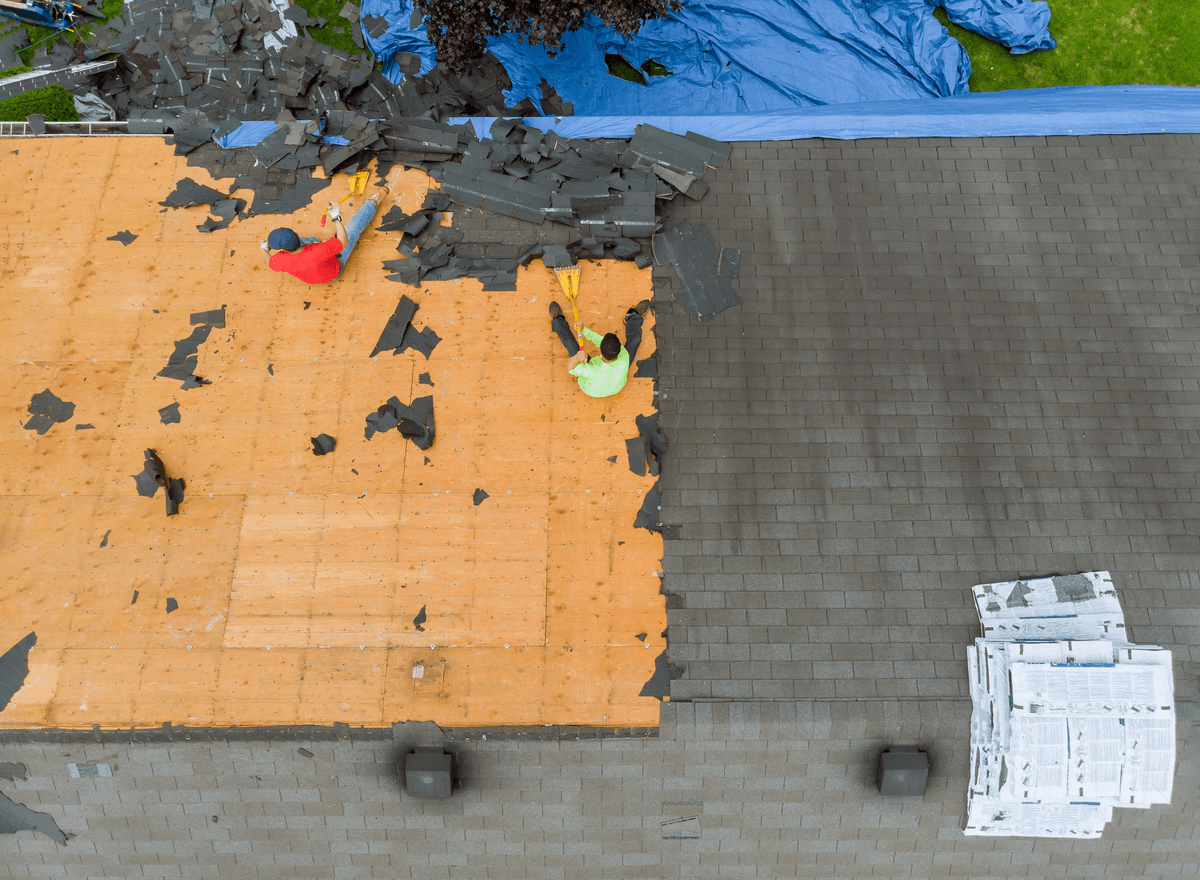
Replacement is typically the better option when damage is widespread, materials are brittle, or repairs occur every storm season. A new roof restores continuous waterproofing across the entire structure and allows modern materials and ventilation improvements to be installed at the same time.
Homeowners evaluating options may find it helpful to review key indicators that a roof has reached the end of its service life. Identifying these signs early reduces the risk of sudden failure during severe weather.
Making a Long-Term Investment in Protection
While replacement requires a larger upfront investment, it eliminates recurring repair expenses and provides peace of mind during Abilene’s intense storm seasons. Modern roofing systems are designed to withstand regional conditions more effectively and can improve energy performance as well.
If your roof has required multiple repairs in recent years, a professional evaluation can clarify whether continued patchwork is worthwhile or whether replacement will deliver better value. Peak Roofing can assess your roof’s condition, explain available options, and develop a clear plan tailored to your home. Contact us to get a free inspection!
