
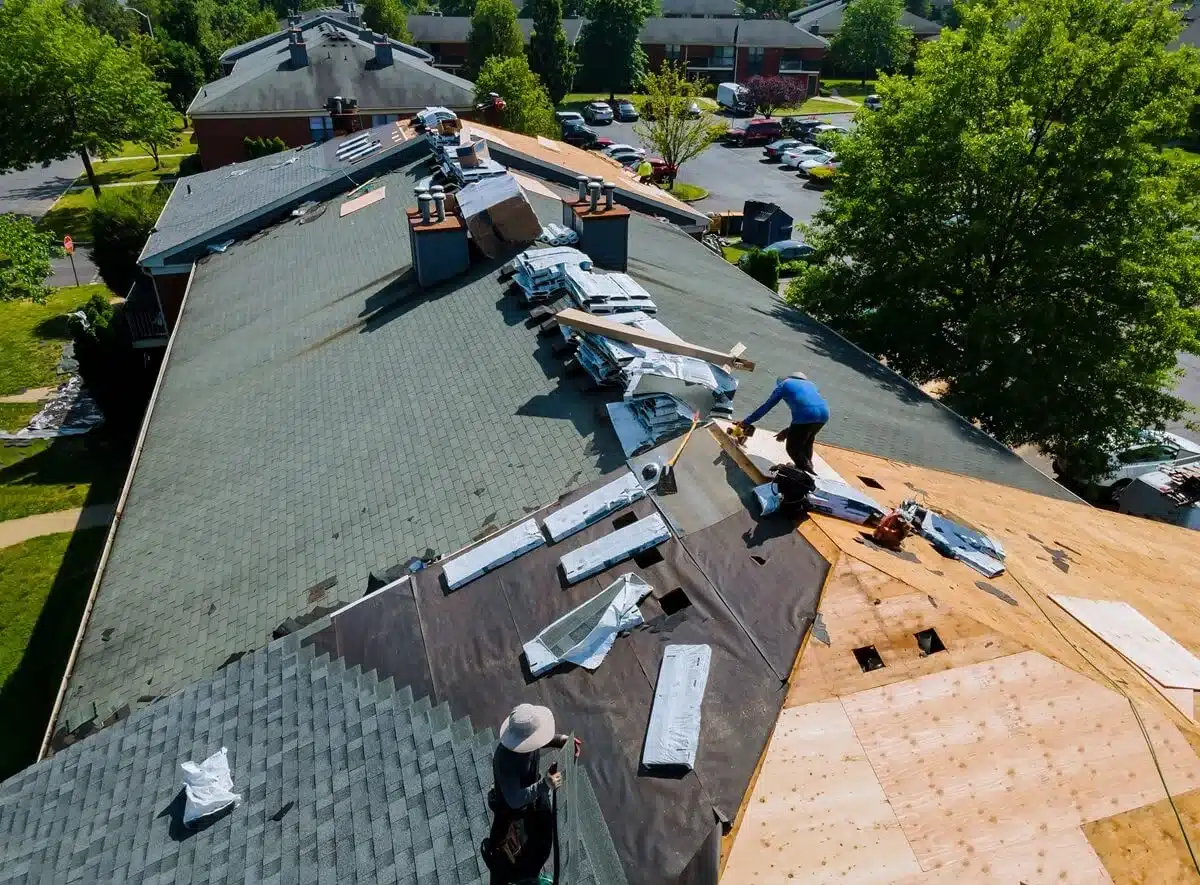
Starting a roofing project can feel overwhelming if you are unsure what to expect. From preparation to final cleanup, each phase plays a role in protecting your home and ensuring long-term performance. Understanding the process helps reduce uncertainty and allows you to plan ahead with confidence. Whether you are repairing damage or upgrading your system, working with professional residential roofing services ensures each step is handled safely and efficiently.
Step 1: Preparing Your Home Before Work Begins
Before the project starts, contractors typically outline a preparation plan. This may include confirming the schedule, delivering materials, and identifying access points around your property. Homeowners are often asked to move vehicles, outdoor furniture, and fragile items inside the home.
Inside, it helps to remove wall décor or secure items in rooms directly beneath the roof. Roofing work can cause vibrations that may affect ceilings and walls. Taking these steps helps prevent unnecessary damage and keeps the job site organized.
Step 2: Material Delivery and Site Setup
Materials usually arrive shortly before work begins. Shingles, underlayment, flashing, and tools are staged near the home for easy access. Contractors also set up safety equipment, such as harness systems and protective barriers.
During this stage, the crew establishes a workflow that supports efficiency and minimizes disruption. Clear planning ensures that materials are installed quickly once the project begins.
Step 3: Removing the Existing Roof
The first major step in the project is removing the old roofing materials. This process, often called tear-off, exposes the roof deck underneath. Removing worn or damaged materials allows contractors to evaluate the structure and identify hidden issues.
Debris is typically collected and disposed of throughout the day to maintain a safe work environment. Homeowners may notice noise during this phase, which is normal as materials are removed and handled.
Step 4: Inspecting the Roof Deck
Once the surface materials are removed, the contractor inspects the underlying decking. This step is critical because it determines whether the structure is strong enough to support the new roof.
If damaged or weakened areas are found, they are repaired or replaced before installation continues. This ensures the new system has a solid foundation and performs reliably over time.
Step 5: Installing Underlayment and Protective Components
After the deck is confirmed to be sound, contractors install underlayment and moisture barriers. These layers provide additional protection against water intrusion and help extend the lifespan of the roofing system.
Flashing is also installed or replaced around vents, chimneys, and roof edges. Proper installation at these vulnerable points helps prevent leaks and improves overall durability.
Homeowners who want to better understand how these components contribute to long-term performance can explore ways to extend a roof’s lifespan through proper installation and maintenance.
Step 6: Installing the New Roofing System
With the foundation prepared, the crew installs the new roofing materials. Shingles or other selected materials are placed according to manufacturer guidelines to ensure proper alignment, sealing, and ventilation.
This phase moves quickly when conditions are favorable. The goal is to create a continuous, weather-resistant surface that protects the home from wind, rain, and sun exposure.
Step 7: Cleanup and Final Inspection
After installation is complete, the crew performs a thorough cleanup. This includes removing debris, sweeping the area with magnetic tools to collect nails, and restoring the property to its original condition.
A final inspection ensures that all components are installed correctly and that the roof meets quality standards. Homeowners are typically invited to review the finished work and ask any remaining questions.
For additional perspective on maintaining performance after installation, homeowners can review why routine maintenance helps prevent future issues.
What Homeowners Should Expect During the Project
Throughout the project, communication plays a key role. A reliable contractor will provide updates on progress, address concerns promptly, and explain any adjustments needed along the way.
You can expect:
- Daily activity and some construction noise
- Clear timelines and updates from the project team
- Safety measures to protect your home and surroundings
- A structured process from start to finish
Understanding these expectations helps ensure a smooth experience.
A Clear Process Leads to Better Results
A roofing project involves multiple steps, each designed to protect your home and extend the life of your roof. Knowing what happens at each stage allows you to prepare effectively and feel confident in the work being performed.
If you are planning a roofing project, Peak Roofing can guide you through every phase, from preparation to final inspection. With a structured approach and experienced team, you can move forward knowing your home is in capable hands.
