When an older roof begins to show wear, homeowners may hear more than one recommendation. One contractor may suggest removing the existing roof and installing a new system, while another may discuss placing new shingles over the current layer. Both approaches involve reroofing, but they do not provide the same level of access to the roof structure below. For Abilene homeowners weighing long-term protection, understanding roof replacement options can help clarify which approach fits the condition of the home.
What Is a Roof Overlay?
A roof overlay, sometimes called roof recover, involves installing new roofing material over an existing layer rather than removing the old shingles first. The approach may reduce tear-off labor and disposal needs in certain situations. However, it is only appropriate when the existing roof is in suitable condition and when local requirements and manufacturer guidelines allow it.
An overlay does not remove aging materials or expose the deck for a full review. For that reason, homeowners should not assume it is the best choice simply because it may appear faster or less disruptive.
What Happens During a Full Roof Replacement?
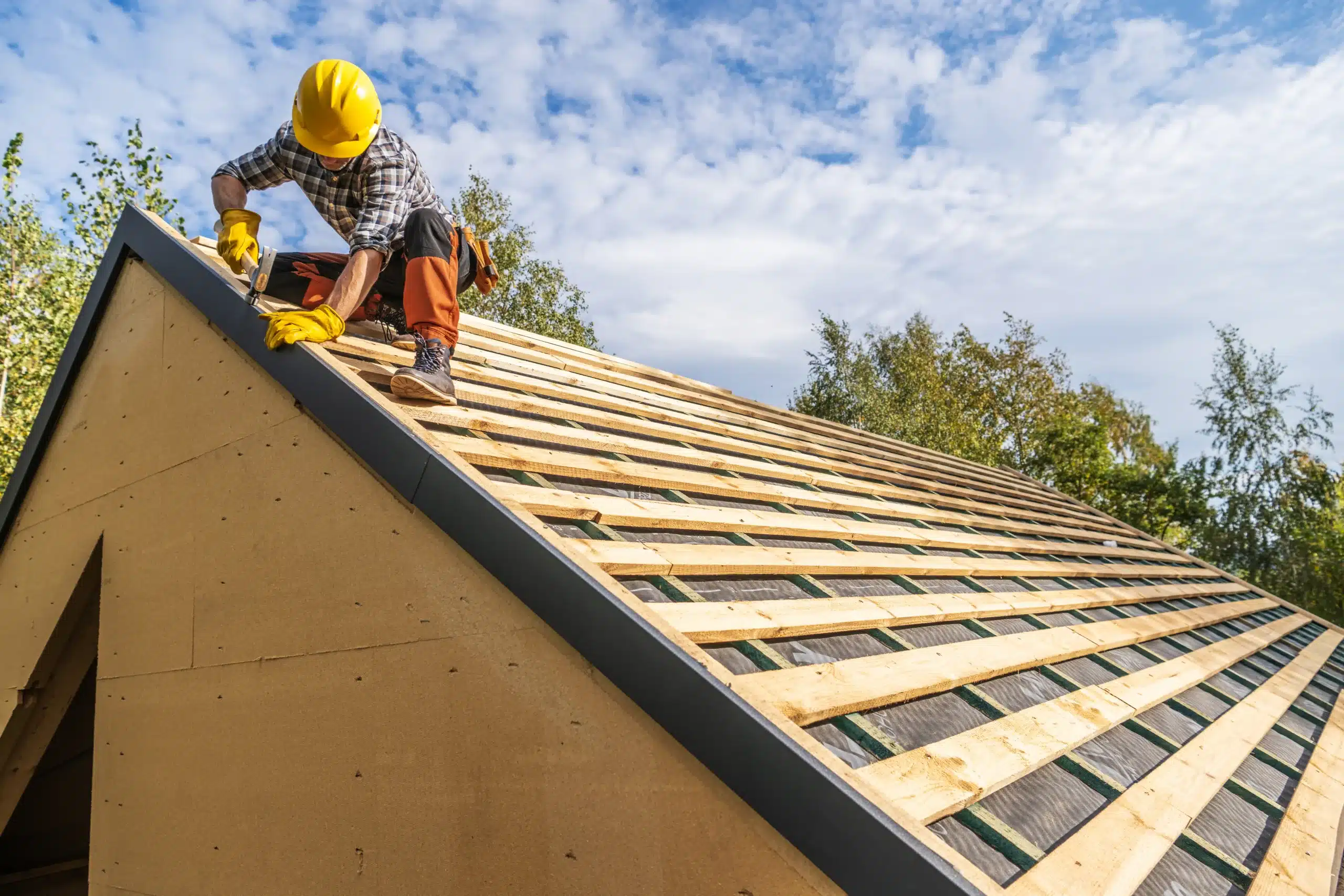
A full roof replacement begins by removing existing roofing materials down to the roof deck. Once the old covering is removed, the contractor can inspect the decking, replace deteriorated areas, evaluate flashing details, and install new underlayment before the new roofing surface is applied.
This process provides a clearer understanding of what is happening beneath the visible shingles. If moisture has damaged decking or weakened fastening areas, the issue can be addressed before the new roof is installed. In West Texas, where roofs face repeated heat, wind, and hail exposure, that inspection step can be important for long-term performance.
Why Hidden Damage Matters in West Texas
A roof can look worn on the surface while also hiding deterioration underneath. Wind-driven rain may enter through lifted shingles or worn flashing, then move along the decking before stains appear indoors. Hail can also weaken materials without causing an immediate leak.
Installing new shingles over an existing roof may cover visible wear, but it does not automatically correct water damage, soft decking, compromised flashing, or ventilation problems underneath. If a home has experienced recurring leaks or repeated repairs, homeowners may want to review when repeated repair work points to a larger roofing concern before choosing an overlay.
Comparing Replacement and Overlay Decisions
The right approach depends on the actual roof condition, not only the upfront project scope. An overlay may be considered when an existing shingle layer is relatively flat, secure, and free from significant moisture or structural concerns. A full replacement may be the more dependable choice when damage is widespread or the underlying roof needs to be assessed closely.
A contractor may recommend replacement when there are:
- Leaks in more than one area
- Brittle, curled, or heavily worn shingles
- Signs of decking damage or trapped moisture
- Existing layers that limit additional roofing installation
- Flashing or ventilation concerns that need correction
- A roof near the end of its expected service life
The Asphalt Roofing Manufacturers Association explains that roof replacement removes the existing covering and allows damaged substrate to be repaired, while roof recover places an additional covering over the current roof. Homeowners comparing these approaches can review guidance on replacement versus roof recover decisions before discussing project scope with a contractor.
Think Beyond the Initial Price
An overlay may appear attractive when homeowners are focused on immediate cost. However, the lower initial scope should be weighed against long-term concerns. If hidden damage remains beneath the new layer, future leaks may require additional work. A roof that cannot be fully evaluated during installation may also leave homeowners uncertain about the condition of the deck below.
Full replacement may cost more upfront, but it provides the opportunity to begin with a clean surface, correct damaged components, and install a coordinated roofing system. This can be especially valuable for homeowners planning to remain in the property or preparing for future storms.
Signs Replacement May Be the Better Choice
Homeowners do not need to wait for severe interior damage before scheduling an evaluation. Warning signs can include granules collecting in gutters, shingles cracking across several slopes, repeated ceiling stains, visible patchwork, or repairs that no longer resolve the problem for long.
If you are unsure whether your roof is reaching that point, review warning signs that may indicate broader roof failure. A professional inspection can then determine whether repair, overlay, or full replacement is appropriate for your home.
Choose a Roofing Plan Built for Long-Term Protection
Roof overlay and roof replacement are not interchangeable decisions. The right choice depends on material condition, hidden damage risk, local requirements, and how much long-term protection the homeowner expects from the project. In many cases, a full replacement provides greater visibility into the condition of the roof and a stronger opportunity to correct problems before they spread.
If your Abilene roof is showing signs of age, recurring leaks, or storm-related damage, contact Peak Roofing & Exteriors today to schedule an inspection. Our team can explain the condition of your roof, compare practical options, and help you choose a replacement plan designed for dependable protection in West Texas.