Strong winds in West Texas can turn small roofing issues into major damage within hours. After a storm, the first few hours are crucial for protecting your home and identifying what needs professional attention. Homeowners who perform a safe, methodical inspection can prevent leaks, insurance disputes, and expensive interior repairs. When you need a reliable roofing contractor, acting early makes all the difference.
Begin With a Safety-First Approach
Before climbing or inspecting closely, walk around the property from the ground. Check that power lines, antennas, and trees are stable. Look for loose shingles or debris near gutters and driveways. If structural elements appear unsafe, have a professional to perform necessary roof repairs. Safety always comes first.
Inspect Roof Surfaces From the Ground
Use binoculars or a zoom camera to scan for missing shingles, raised edges, or displaced flashing. Focus on valleys, ridges, and around chimneys, which experience the greatest wind pressure. Even minor lifting allows water intrusion beneath the surface. A quick visual check identifies where professional roof repair may be needed.
Check Gutters, Downspouts, and Fascia
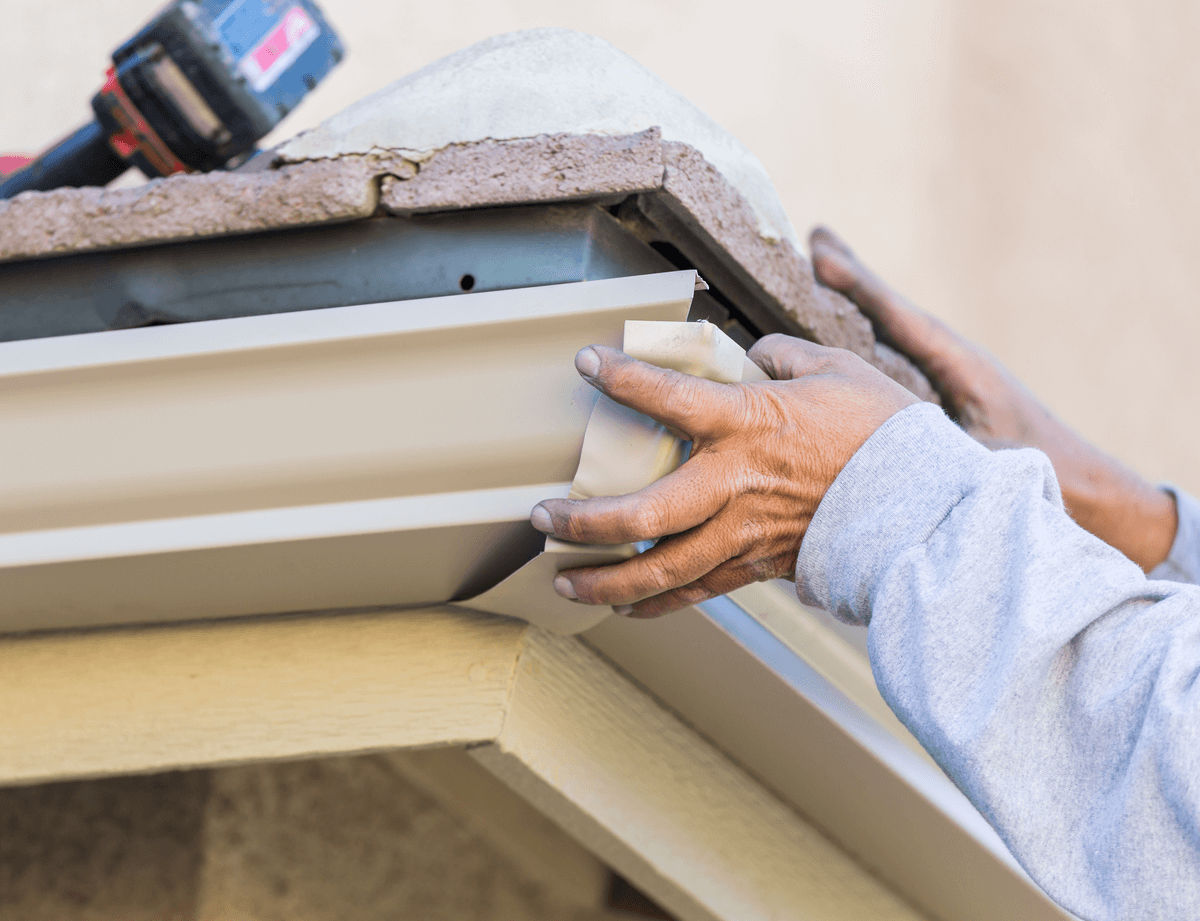
Wind often clogs gutters with branches and shingle fragments. Remove visible debris only if conditions are safe. Confirm that downspouts remain attached and clear. Inspect fascia boards for separation or warping, since loosened fasteners often indicate hidden damage. For metal systems, ensure no sections have detached during gusts.
Evaluate Attic and Ceiling Areas Indoors
Move indoors after the exterior walk-around. Look for water stains on ceilings or insulation, especially near vents. Shine a flashlight along rafters to detect moisture or daylight gaps. These issues point to displaced shingles or flashing. Early detection prevents mold and secondary interior repairs. FEMA offers a guide to identifying damages to help you out.
Examine Flashing, Vents, and Skylights
Metal flashing and vent boots secure the most vulnerable roof sections. High winds can bend or lift these components, forming small gaps that widen with rain. If you notice torn sealant or rusted sections, schedule prompt service. A qualified contractor can reseal and reinforce these details before leaks appear.
Confirm Condition of Shingles and Fasteners
Loose granules on the ground suggest shingle wear or impact damage. Inspect ridge caps, hip lines, and nail heads for cracks or separation. Gusts may loosen flashing nails or ridge vents. Document findings with clear photos for insurance review. Keeping organized records ensures smooth claim handling and prevents coverage disputes.
Inspect Roof Attachments and Accessories
Satellite dishes, solar panels, and ventilation fans must remain tightly anchored. Movement of even half an inch can compromise waterproofing. Examine mounting brackets for missing screws or bent frames. If uncertain about stability, schedule professional evaluation rather than tightening components yourself.
Assess Surrounding Structures
Fences, sheds, and patio covers can become windborne debris that strikes the roof. Check for dented shingles or gutter dents from fallen materials. Note debris paths or impact marks and include them in your repair report. Reviewing guidance from the National Weather Service helps homeowners understand how local wind patterns cause different types of roof damage.
When to Call a Professional
Contact a licensed expert if you notice missing shingles, exposed decking, or ceiling leaks. A certified roofing contractor can provide an inspection, temporary protection if needed, and a written repair plan. Confirm that adjusters receive the same report to ensure consistent coverage.
Coordinate With Your Insurance Provider
- File a claim within your policy’s deadline.
- Include clear before-and-after photos for every affected area.
- Keep receipts for emergency tarping or mitigation.
- Attend adjuster inspections to verify accuracy.
- Save correspondence and estimates in one secure folder.
Wind damage often worsens invisibly over time. A proactive inspection keeps small separations from becoming leaks that spread through insulation and drywall. When you need dependable help, visit the Peak Roofing blog for more storm-readiness guidance or contact Peak Roofing today to schedule a certified inspection.
Disclaimer: This content is for informational purposes only and does not constitute professional advice.
