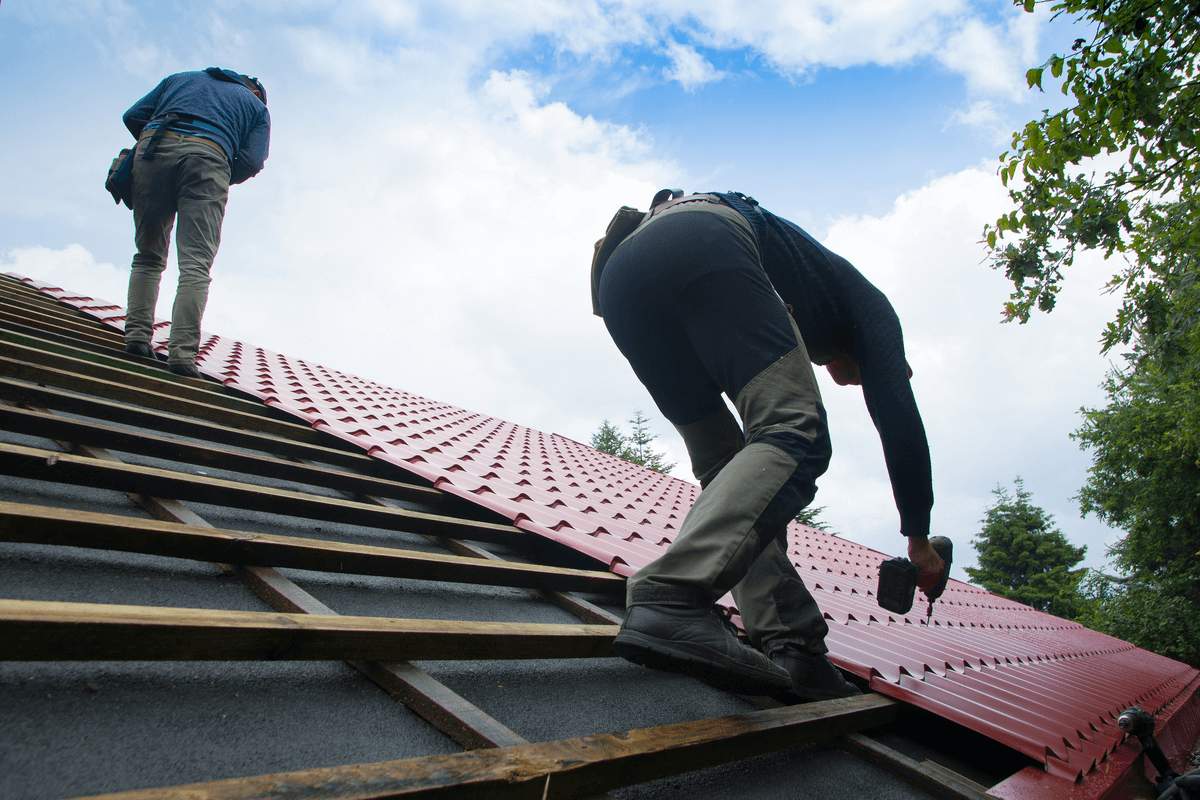
Older Abilene neighborhoods often have shingle roofs that have been through years of heat, hail, and wind. Wear usually shows up as missing tabs, ceiling staining, or granules collecting near downspouts. The decision is whether a focused roof repair will stabilize the system or whether it is time for a roof replacement that resets the roof’s waterproofing across the whole deck.
Why Aging Shingle Roofs Fail Differently
As shingles age, they lose flexibility and their seal strips stop bonding as reliably. That makes edges easier to lift and increases the odds of wind-driven rain pushing under shingles. Instead of one dramatic failure, you may get multiple small entry points across the roof.
If a roof has been patched repeatedly, another issue is “chasing leaks.” Fixing one weak spot does not prevent the next worn area from opening during the next storm cycle.
High-Risk Areas to Check First
Start with the locations where water concentrates or where roofing materials transition. These spots often reveal whether you are dealing with a single defect or a broader aging issue:
- Valleys and low-slope transitions: Debris and water channel here, stressing shingles and underlayment.
- Flashing at chimneys and walls: Small gaps can create big interior staining.
- Pipe boots and roof vents: Rubber components dry out and crack over time.
- Rakes, eaves, and ridges: Wind lift commonly starts at edges and ridge caps.
- Attic warning signs: Damp insulation, darkened decking, or musty odors after storms.
For a quick homeowner-focused checklist, see Peak’s roof repair tips for Abilene homeowners.
When Roof Repair Makes Sense
Roof repair is a strong option when the roof’s structure is sound and the issue is confined to one area, such as storm-lifted tabs on a single slope or a flashing failure around a penetration. In these cases, the goal is to stop active intrusion, restore the water-shedding path, and extend the roof’s useful life.
When Roof Replacement Is the Better Investment
A full replacement is often the smarter move when repairs are becoming routine. If shingles crack during normal work, heavy granule loss across multiple slopes, or leaks keep appearing in new places, replacing the system can be more cost-effective than repeating spot fixes. Replacement also gives you a chance to refresh key details, such as underlayment and flashing, ensuring consistent performance across the roof.
Key Takeaways
- Aging shingle roofs often fail across multiple weak points, not one obvious leak.
- Roof repair works best when problems are localized and the roof system is still stable.
- Roof replacement is often more cost-effective when damage is widespread or recurring.
Frequently Asked Questions
Q: How can I tell if my roof problem is localized or system-wide?
A: Localized issues usually trace to one flashing detail, penetration, or storm-damaged section. System-wide issues show up as repeated leaks, widespread granule loss, brittle shingles, or multiple trouble spots across different slopes.
Q: Will a repair prevent future leaks everywhere?
A: A repair can fix the defect that caused a leak, but it cannot reverse overall aging. If the roof is near the end of its service life, new leaks can develop elsewhere.
Q: What is the fastest way to get a starting direction?
A: Start with an inspection and a clear scope. If you want an initial ballpark first, try the instant roof quote tool.
If your Abilene roof is showing signs of age, confirm whether you need a targeted repair or a roof replacement plan. Share your address and what you have noticed, then request an inspection for a clear scope and timeline. The longer you delay, the worse your problems could become. Contact us today to break the roof repair cycle.
Disclaimer: This content is for informational purposes only and does not constitute professional advice.
