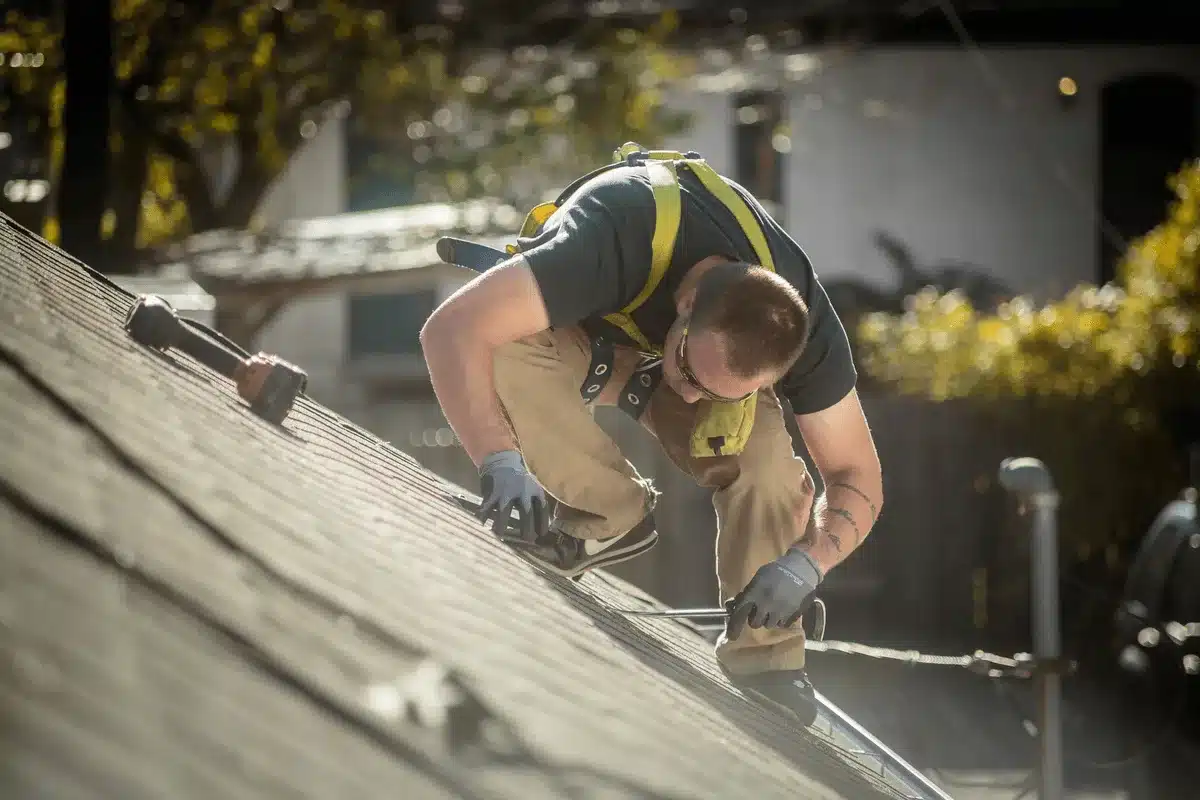
A small roof leak may seem manageable at first. A faint ceiling stain or a minor drip after a storm often leads homeowners to delay action. In West Texas, however, even a small opening in the roofing system can quickly turn into widespread damage. Strong winds, sudden storms, and temperature fluctuations allow water to move deeper into the structure with each weather event. Addressing issues early with professional roof repair services helps prevent minor problems from escalating into costly repairs.
How Small Leaks Begin
Most leaks start in vulnerable areas such as flashing, roof penetrations, or shingle edges. Over time, exposure to sun and wind weakens sealants and adhesive strips. When these materials fail, water gains access beneath the surface.
Common starting points include:
- Loose or lifted shingles
- Cracked flashing around vents or chimneys
- Worn sealant at roof transitions
- Nail penetrations or exposed fasteners
At this stage, damage may not be visible inside the home, which makes early detection difficult.
How Water Moves Through a Roofing System
Once water enters beneath shingles, it rarely stays in one place. It travels along underlayment, follows roof decking, and can spread across rafters before becoming visible. This movement often causes leaks to appear far from their original source.
Because of this, a small entry point can affect multiple areas of the home. By the time stains appear on ceilings or walls, moisture has often been present for an extended period.
The Stages of Damage Progression
Roof leaks typically follow a predictable pattern as they worsen over time:
- Initial intrusion
Water enters through a small opening during rain or wind-driven storms. - Insulation and attic impact
Moisture accumulates in insulation, reducing its effectiveness and creating conditions for mold growth. - Decking and structural damage
Wood begins to soften and weaken, affecting the stability of the roofing system. - Interior damage
Ceiling stains, peeling paint, and drywall deterioration become visible. - System-wide failure
Multiple weak points develop, increasing the likelihood of widespread leaks.
Understanding this progression highlights why early action is critical.
The True Cost of Waiting
Delaying repairs allows damage to spread beyond the original problem area. What begins as a minor fix can develop into structural repairs, insulation replacement, and interior restoration.
Homeowners who want a deeper breakdown of this process can review how delaying repairs increases long-term damage and costs. Addressing issues early keeps repair scope manageable and helps avoid emergency situations during severe weather.
Hidden Risks Beyond the Roof Surface
Water intrusion affects more than shingles and decking. Moisture trapped inside the home can lead to:
- Mold and indoor air quality concerns
- Increased energy costs due to compromised insulation
- Electrical risks if water reaches wiring
- Structural weakening over time
These hidden risks often develop before visible signs appear, which makes proactive inspection essential.
Preventing Small Issues From Becoming Major Problems
Routine maintenance and timely inspections help identify issues before they escalate. Homeowners can perform basic visual checks from the ground and monitor attic conditions after storms.
Following a seasonal inspection checklist to catch early warning signs provides a structured approach to prevention. Consistent monitoring reduces the likelihood of unexpected failures during peak storm season.
Why Professional Inspections Matter
While homeowners can identify general warning signs, professional inspections provide a more detailed evaluation. Experienced contractors can detect subtle issues that may not be visible from the ground or inside the attic.
Industry guidance emphasizes why routine inspections are critical for roof longevity, especially in regions with extreme weather conditions. A professional assessment helps confirm the extent of damage and ensures that repairs address the root cause rather than just the symptoms.
Take Action Before the Next Storm
Small roof leaks rarely stay small for long in West Texas. Acting early protects your home from escalating damage, unexpected costs, and interior disruption. If you have noticed signs of moisture or suspect a leak, scheduling a professional inspection can provide clarity and prevent further deterioration.
Peak Roofing & Exteriors offers detailed evaluations, clear repair plans, and reliable service tailored to local conditions. Addressing leaks now helps ensure your roof performs as expected when the next storm arrives.
