
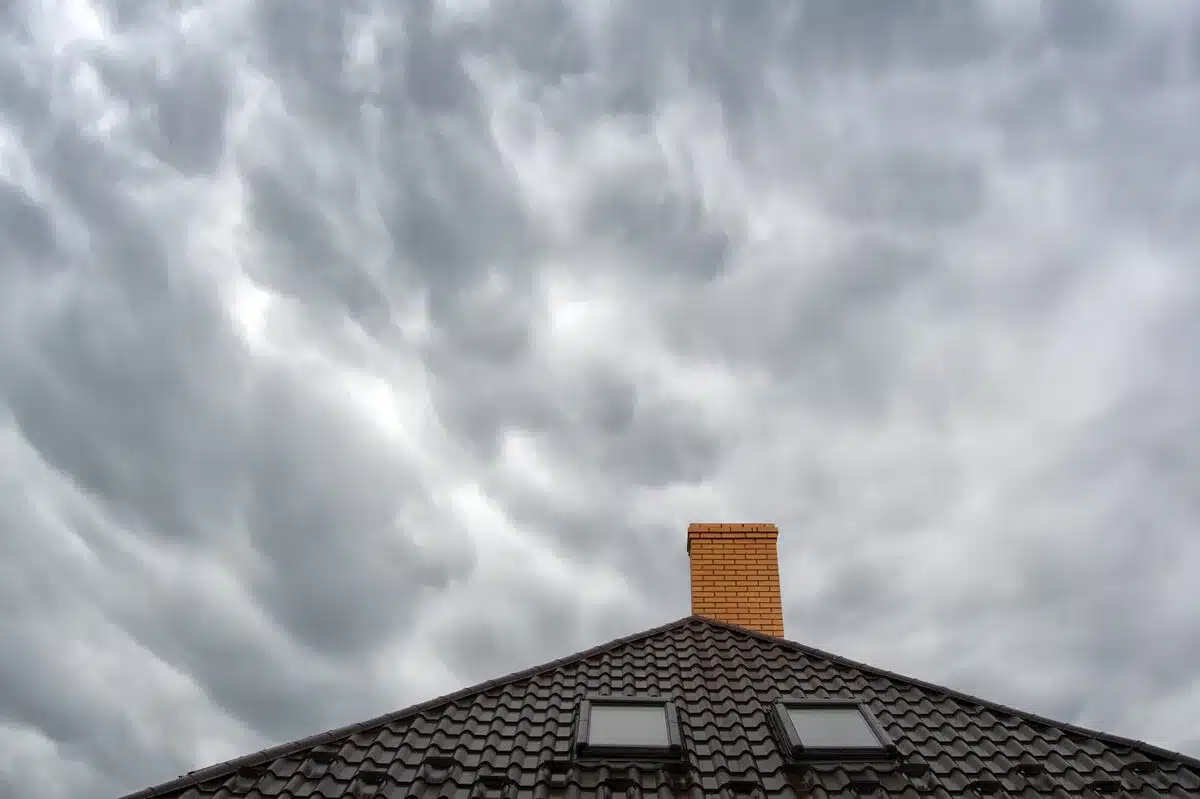
Storm season in West Texas can bring sudden hail, high winds, and heavy rain that place significant pressure on residential roofs. While homeowners cannot prevent severe weather, they can take steps to prepare their homes before damage occurs. A local roofing contractor understands how Abilene conditions affect shingles, flashing, gutters, and ventilation throughout the year. Scheduling an evaluation through residential roofing services before storms arrive can help identify weak areas and reduce the risk of unexpected repairs.
Why Local Experience Matters Before Storm Season
Roofing problems vary by region. In West Texas, intense sun can dry out shingles, while gusty winds loosen edges and ridge caps. Hail may bruise roofing materials even when damage is not immediately visible from the ground.
A local contractor is familiar with these recurring conditions and can evaluate the areas most likely to fail during a storm. Rather than waiting for a ceiling stain or missing shingles to confirm damage, homeowners can prepare in advance with an inspection focused on regional risks.
Start With a Pre-Storm Roof Inspection
A professional inspection helps establish the condition of your roof before severe weather occurs. The contractor can look for loose shingles, cracked sealant, worn flashing, clogged gutters, and vulnerable roof penetrations.
An inspection may also identify issues that homeowners cannot safely see from the ground, including soft decking, attic moisture, or signs that a previous repair is no longer performing as expected. Addressing these concerns before storms begin can help keep a manageable repair from becoming an emergency project.
Homeowners can also follow seasonal inspection routine to monitor visible changes around the home between professional evaluations.
Document the Roof Before Damage Occurs
One of the most useful steps before storm season is creating a clear record of the roof’s current condition. A contractor can provide photos and notes showing the condition of shingles, vents, flashing, gutters, and roof edges before a weather event.
This documentation may be useful if storm damage occurs later. Homeowners should also keep copies of insurance information, past repair records, warranties, and dated photos in an accessible location. A clear before-and-after record can make it easier to explain what changed after a hail or wind event.
Identify Small Repairs Before They Become Storm Damage
A storm does not always create the original problem. In many cases, severe weather exposes areas that were already weakened by age, heat, or deferred maintenance. Loose flashing, lifted shingles, deteriorated sealant, and clogged drainage paths may fail quickly when heavy rain or wind arrives.
A roofing contractor can recommend targeted repairs before these areas become entry points for water. This proactive approach protects insulation, ceilings, drywall, and decking from preventable moisture damage.
For homeowners concerned about wind exposure, knowing what to look for after strong gusts can also help identify when follow-up service is needed.
Prepare for Severe Weather Safely
Roof preparation is only one part of storm readiness. Homeowners should monitor weather conditions, know where to shelter, and avoid attempting roof inspections during active storms or when surfaces remain wet.
The National Weather Service recommends that households monitor forecasts and prepare for severe thunderstorm warnings before storms arrive. Once weather conditions become dangerous, personal safety should come first. Roof damage can be evaluated after the immediate threat has passed.
Ask About an Emergency Response Plan
Before storm season, ask your contractor what to do if damage occurs. Understanding how inspections, temporary protection, and repair scheduling are handled can help reduce uncertainty after severe weather.
Important questions include:
- Who should you contact if a leak begins after a storm?
- Can the contractor provide temporary protection if permanent repair must wait?
- What photos or documentation should homeowners gather safely?
- How quickly can an inspection be scheduled after a widespread storm event?
- What warning signs require immediate attention?
Having a plan in place makes it easier to act calmly and efficiently when damage occurs.
Know When to Request Help After a Storm
After severe weather, walk around the property only when it is safe. Look for missing shingles, roofing debris, bent gutters, damaged flashing, or tree limbs resting on the roof. Indoors, check ceilings and attic areas for moisture, staining, or unusual odors.
Never climb onto a roof after a storm. Damaged materials may be unstable, and wet surfaces increase the risk of injury. A professional evaluation is the safest way to determine whether repairs are needed.
Prepare Your Roof Before the Next Storm Arrives
A local roofing contractor helps homeowners prepare for more than repairs. Through inspection, documentation, preventive service, and emergency planning, a trusted professional can help reduce uncertainty before storm season begins. If you want to prepare your Abilene home for upcoming Texas storms, contact Peak Roofing & Exteriors today to schedule an inspection. Our team can identify vulnerable areas, explain practical repair options, and help you protect your roof before severe weather puts it to the test.
